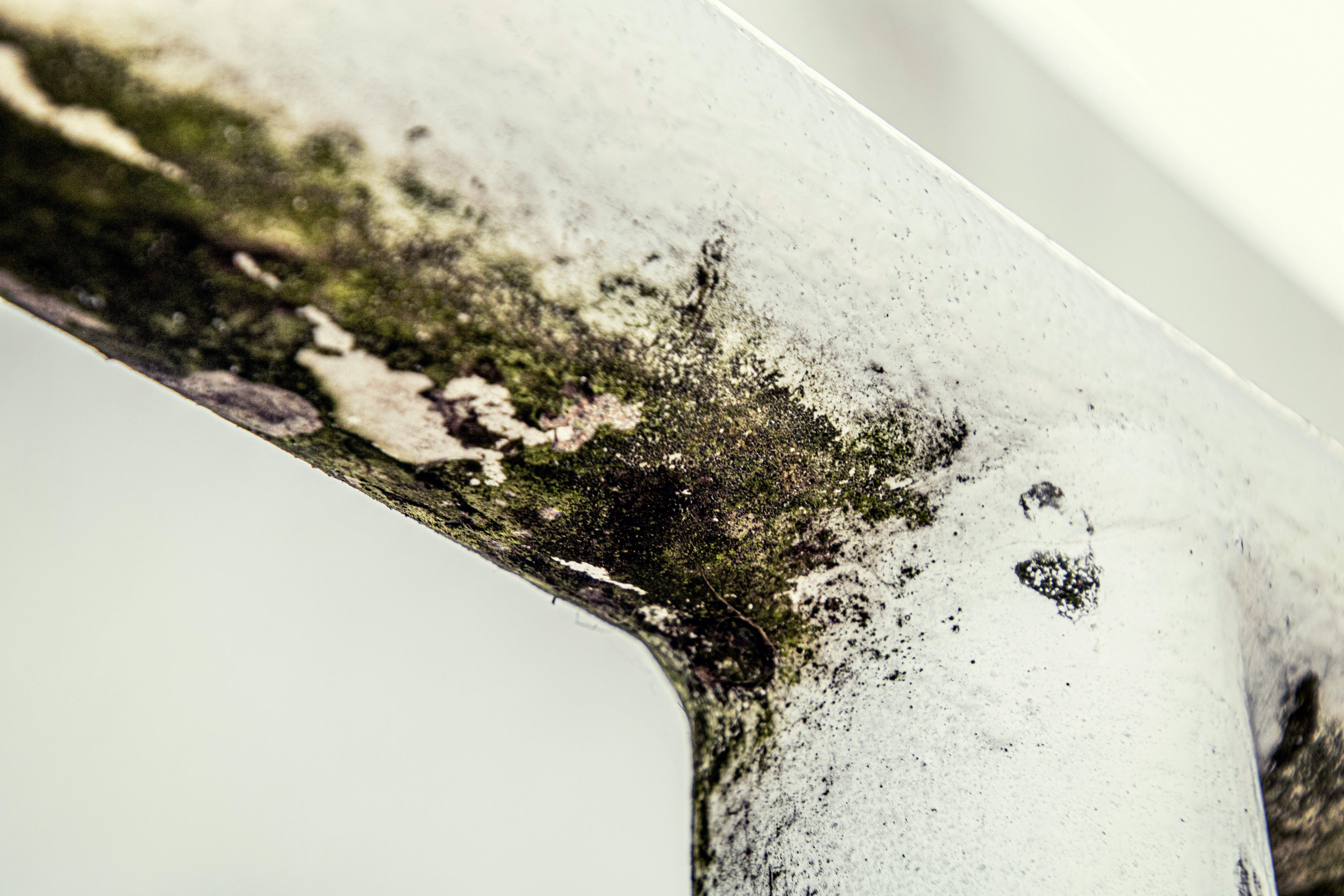
Imagine years of fatigue, brain fog, pain, sinus trouble and growing sensitivity to foods and chemicals, doctor after doctor, test after test, all coming back “normal.” For many people, the missing piece is hiding in the walls of their own home.
Mould illness has long been dismissed by mainstream medicine, but that is beginning to change. In September 2026, U.S. Health Secretary Robert F. Kennedy Jr. hosted a roundtable on mould with the CDC’s director, researchers, clinicians and patients. He shared that his own family’s farmhouse flooded in 2003 and became overrun with black mould. Almost all of his children were affected, his wife became ill in ways her doctors could not explain, and the house was eventually torn down.
A recent in-depth article by the physician who writes as A Midwestern Doctor, author of The Forgotten Side of Medicine, explores why mould illness is so often missed, why some people are far more sensitive than others, and what actually helps patients recover. Here are the key insights.
Why Mould Illness Goes Unrecognised
Several forces combine to keep mould illness in the shadows.
- The symptoms don’t fit a box. Patients often have a bewildering mix of symptoms across many body systems, so they are frequently labelled with chronic fatigue syndrome, fibromyalgia or anxiety, or told it is “all in their head.”
- Doctors are rarely trained in it. One soon-to-graduate medical resident said his entire education on water-damaged buildings amounted to a single slide.
- Others in the home feel fine. Because family members or co-workers in the same building may be unaffected, the sick person is often doubted by the very people they rely on for help.
- Someone is always responsible. Mould only grows indoors when water gets where it shouldn’t, so a builder, landlord, employer, school or insurer is usually liable. Acknowledging mould illness could expose these industries to enormous costs. The author compares it to the playbook once used for tobacco, asbestos and lead: deny the illness, fund doubt and avoid the research.
How modern buildings became mould factories
The author points to three main reasons mould has become so common:
- Sealed homes. After the 1970s oil crisis, homes were built far more airtight to save energy. Without proper ventilation, they trap moisture.
- Materials that feed mould. Standard drywall is gypsum wrapped in paper, an ideal food for mould. Wood, plywood, ceiling tiles and carpet padding all feed mould once wet, and lumber is often rained on during construction and closed in before it dries.
- Poorly sized air conditioning. An oversized unit cools a home quickly and shuts off before removing enough moisture, leaving it cool but clammy; an undersized one can’t keep up in humid weather.
Much of this is preventable at little cost. Paperless drywall costs only slightly more, and letting materials dry before closing walls adds little to the price of a home. But because builders rarely pay for mould that appears later, the cost often falls on the families who move in. Major U.S. homebuilders now face a wave of lawsuits over moisture and mould in new homes, though they argue many problems stem from poor maintenance and inconsistent testing.
Could More People Be Affected?
Very likely. Damp buildings are remarkably common. In one U.S. Environmental Protection Agency survey, 85% of office buildings had past water damage and 45% had active leaks. In Europe, 20 to 30% of households have dampness problems. The World Health Organization recognises that damp and mouldy buildings increase respiratory symptoms, allergies and asthma, and one EPA analysis estimated that around 21% of current U.S. asthma cases are linked to dampness and mould at home.
The broader, multi-system illness, which researcher Dr. Ritchie Shoemaker named chronic inflammatory response syndrome (CIRS), is still largely regarded as unproven by conventional medicine. Yet studies have linked water-damaged buildings to higher rates of brain fog and neurological symptoms, fatigue, depression, cognitive decline and autoimmune disease. Some of these studies are small or observational, and damp housing often goes hand in hand with poverty and stress, but the findings are consistent across countries.
Why Some People Are More Sensitive
One of the most puzzling features of mould illness is that several people can live in the same damp home, yet only one becomes seriously ill. The author describes highly sensitive patients as “canaries”: often the first to notice a problem that is affecting everyone else in the building to a lesser degree.
People who react to mould tend to fall into overlapping groups:
- Allergy: headaches, congestion and generally feeling unwell around mould.
- Mycotoxin illness: more severe symptoms, such as an inability to think clearly, widespread pain and sometimes psychiatric symptoms, linked to the toxins some moulds produce.
- Sensitisation: an immune system, particularly the mast cells, so reactive that small exposures trigger major flares.
- Colonisation: mould living in the sinuses, gut or lungs, so exposure continues even after leaving the building.
There are two main theories about why some people become ill. Dr. Shoemaker links susceptibility to specific immune genes found in about a quarter of the population. Dr. Neil Nathan believes a strong immune system can tolerate mould until something else knocks it off balance, such as COVID-19, a serious infection, surgery or emotional upheaval.
The author also uses the “cell danger response” to explain why sensitivity often grows over time. When cells sense a threat, they switch from normal function into a protective mode. In chronic illness, cells can become stuck in that state, and each new exposure makes the next reaction easier to trigger, a pattern Dr. Shoemaker calls “sicker, quicker.” The hopeful side of this model is that the response is protective rather than permanent, which helps explain why mould illness is so often reversible.
What to Watch For
Because there is no single reliable test, mould illness is usually recognised through careful history. Signs that may point toward it include:
- Fatigue, especially a crash after exertion, brain fog and poor sleep that began after moving into a building, a leak or renovation work.
- Symptoms that improve noticeably when you’re away from home, such as on holiday, and return after you come back.
- A musty smell, visible mould or a history of water damage.
- Symptoms across many body systems at once: headaches, body pain, digestive problems, food sensitivities, light and sound sensitivity, and dark circles under the eyes.
- Growing sensitivity to smells, chemicals and medications.
- Out-of-character mood changes, such as anxiety, irritability, disproportionate anger or withdrawal.
- Unusual symptom combinations, including constant thirst with frequent urination, static shocks, stabbing “ice-pick” pains, night sweats, numbness or tingling, a metallic taste, ringing in the ears, intense sugar cravings, and symptoms that worsen on rainy days.
Many of these symptoms are not specific to mould. Tick-borne infections, long COVID and other conditions can look similar, and people can have more than one. That is why it matters to work with a practitioner who understands environmental illness.
What to Do
1. Start with the simplest test: leave
Spend a few days somewhere relatively mould-free and notice how you feel. Many people feel clearly better. Don’t overlook your car or workplace, as car air-conditioning systems with old filters and small leaks often harbour mould. For people who have been ill for a long time, though, leaving alone may not bring immediate relief.
2. Test the building, not just the air
Standard mould inspections often rely on short air samples taken from the middle of a room, which can miss what settles along the edges. Leading mould physicians prefer dust-based DNA tests such as ERMI or the simpler HERTSMI-2 score. These are relatively inexpensive, can often be collected by the homeowner, and are a cost-effective first step. Ideally, the person testing your home should be independent of the company paid to fix it.
3. Fix the problem in the right order
Most home remediation attempts fail because the repair itself spreads contamination. The author recommends this sequence:
- Stop the water. Find and fix the source, whether a roof, plumbing, foundation, ductwork condensation or an air-conditioning drip pan. Keep indoor humidity between 30 and 50%, using dehumidifiers if needed.
- Cut out contaminated porous materials such as drywall, insulation and carpet padding, rather than spraying them, and do it under proper containment so debris doesn’t spread through the house.
- Clean everything. HEPA-vacuum and wipe down walls, ceilings, floors and belongings, with HEPA air filtration running throughout.
- Check the air-conditioning system, including ducts, air handlers and drip pans, and replace your car’s cabin air filter.
- Start small and retest. Often, cleaning the problem area and the air is enough. A HERTSMI-2 test afterward is the best sign of whether a sensitive person can safely return.
In humid climates like the Cayman Islands, where I am fortunate to live, this is especially relevant. Heat, humidity, heavy rains, hurricane damage and round-the-clock air conditioning create ideal conditions for mould, so managing indoor humidity and acting quickly on any leak matter all the more. Wet materials dried within 24 to 48 hours generally won’t grow mould.
4. Work with an experienced practitioner
There is no single protocol that works for everyone, and the leading physicians in this field often disagree. Approaches include binders that help remove toxins through the gut, prescribed antifungals for those who are colonised, sinus rinses, low-dose naltrexone, saunas, anti-inflammatory diets and support for overactive mast cells. Gentleness matters: overly aggressive treatment is one of the most common ways patients are set back. The International Society for Environmentally Acquired Illness (ISEAI) keeps a directory of physicians and indoor environmental professionals experienced with mould-sensitive patients.
The original article also discusses oxidative therapies such as ozone, hydrogen peroxide and chlorine dioxide. Drinking chlorine dioxide or hydrogen peroxide can cause serious harm, and health authorities have warned against it, so these should never be tried on your own.
5. Help your nervous system feel safe
Because a stuck “danger” response keeps the body on high alert, recovery often depends on sending it signals of safety: restorative sleep, time in nature, social connection, reduced stress and, for some, limbic retraining programmes. Avoiding re-exposure during the first few months of recovery is especially important.
There Is Hope
Despite their disagreements, the leading physicians in this field all report that most of their patients recover, and many stay well for years. Most homes can be fixed, most belongings can be cleaned, and most people who become ill from mould get better. If you suspect your home is affecting your health, the first step is simply to find out: test the dust, and notice how you feel when you’re away.
Source and Credit
This post draws on “Why Mold Illness Goes Unrecognized” by A Midwestern Doctor, published in The Forgotten Side of Medicine on October 25, 2026, which discusses the work of Dr. Ritchie Shoemaker and Dr. Neil Nathan.
This content is for educational purposes only and is not a substitute for professional medical advice. Please consult your doctor or care team before making any changes to your diet, supplements, or treatment plan.
“As to diseases, make a habit of two things: to help, or at least, to do no harm.” — Hippocrates