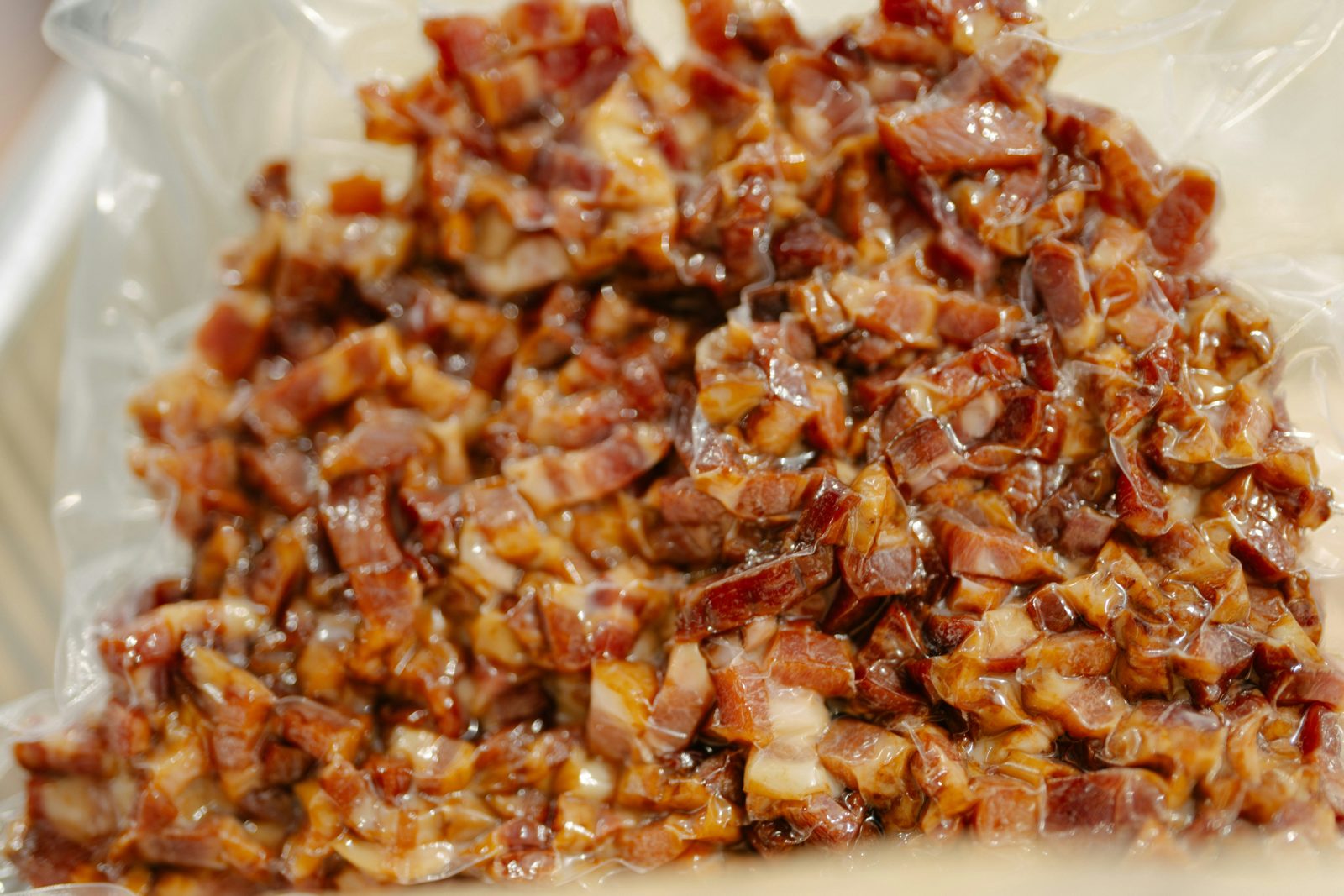
Bacon has been an American breakfast staple for about a century. Lately it has moved well beyond the breakfast plate, into bacon jam, bacon powder, bacon bits, and bacon-based spreads. Spooned onto a burger or stirred into a dish, these can feel like harmless finishing touches. The concern oncologists raise is not about any single serving. It's about what happens when processed meat quietly becomes a daily habit.
What Two Oncologists Said
In a report published by Parade and syndicated by AOL, two oncologists, Dr. Mark Ashamalla and Dr. Avishek Kumar, discussed how everyday eating patterns can influence cancer risk. Their central message was that no single bite determines your health, but the habits you repeat for years can add up. Diet is one of the risk factors you can influence, unlike age or genetics, and estimates cited in the report suggest a healthy diet and lifestyle may lower cancer risk by roughly 30 to 40%. Dr. Ashamalla was careful to add that cancer is not caused by any one food or condiment. Risk builds over time and is shaped by many things at once, including genetics, age, tobacco, alcohol, body weight, physical activity, and environmental exposures.
Dr. Kumar named processed-meat toppings, such as bacon bits, bacon jam, and bacon spreads, as the condiment to cut back on, and sugar-heavy barbecue sauce as a second one to minimize. The takeaway from both was patterns, not perfection: small, repeatable changes toward less processed meat, less added sugar, less alcohol, and more vegetables and fruit.
What the Evidence Says About Processed Meat
In 2015, the International Agency for Research on Cancer (IARC), part of the World Health Organization, classified processed meat as carcinogenic to humans, its Group 1 category. The strongest evidence links it to colorectal cancer, with some evidence for stomach cancer. In its analysis, each 50 grams of processed meat eaten daily, roughly a hot dog or a couple of slices of bacon, was associated with about an 18% higher relative risk of colorectal cancer.
Two points of context help here. First, IARC's categories describe how strong the evidence is that something can cause cancer, not how large the risk is. Processed meat sits in the same category as tobacco for certainty of evidence, but its effect on risk is far smaller. Second, a relative increase applies to a modest baseline risk, so the absolute added risk for any one person is small. That is exactly why oncologists emphasize long-term patterns rather than fear of a single strip of bacon.
Why Processed Meat Is Different From Vegetables
Processed meats are preserved by curing, smoking, salting, or adding preservatives, including nitrates and nitrites. A 2020 review in the journal Antioxidants looked at where dietary nitrates and nitrites come from and how the body handles them. Nitrates and nitrites aren't carcinogenic in themselves. The concern is what they can turn into. In the digestive tract, nitrite can react with compounds called amines to form N-nitroso compounds, many of which are considered carcinogenic. Stomach acid and iron encourage this reaction, while antioxidants such as vitamin C and vitamin E hold it back.
This is why the source of the nitrate matters. Vegetables and fruit supply most of our dietary nitrate, with some survey estimates putting it at 80% or more of total exposure, and leafy greens such as spinach, lettuce, and arugula are among the richest sources. But vegetable nitrates arrive alongside the vitamins and antioxidants that suppress nitrosamine formation, and a large analysis of stomach cancer studies cited in the review found higher dietary nitrate intake associated with lower risk. Processed meat, by contrast, is rich in amines and heme iron, the form of iron found in red meat, which is described as stimulating N-nitroso compound formation. The review also notes that results across studies are inconsistent, and the associations tend to be weaker for nitrate than for nitrite.
So “avoid nitrates” is the wrong message. The better message is to eat less of the foods where nitrites and the conditions that favor nitrosamine formation come together, and more of the plants that carry their own protection.
Why Cured Meat Isn't Easy to Reinvent
Curing has real jobs to do. Nitrite gives cured meat its pink color and characteristic flavor, and it protects against bacteria, notably Clostridium botulinum, which causes botulism. Because no single substitute does everything, the review's authors conclude that nitrates and nitrites should be limited in the meat industry rather than easily eliminated. Some producers are trying alternatives. A Danish company is reported to have sold cured meats without added nitrites for more than two decades, and these products tend to look brownish rather than pink.
A practical caution when shopping: labels like “uncured” or “no nitrites added” often mean the product was cured with a natural source of nitrate, such as celery powder, which converts to nitrite. They aren't necessarily nitrite-free, and there is no strong evidence yet that they're meaningfully safer.
The Second Warning: Sugary Barbecue Sauce
Dr. Kumar's second flag was sugar-heavy barbecue sauce, much of which is essentially sweetened syrup with smoky flavor, with added sugar, corn syrup, or high-fructose corn syrup near the top of the label. Again, one spoonful is not the issue. A daily pattern of high-sugar, ultraprocessed eating can contribute to weight gain, insulin resistance, and chronic inflammation, and excess body weight is linked to a higher risk of several cancers, including colon, breast (after menopause), endometrial, pancreatic, liver, and kidney cancers. Barbecue sauce also tends to show up alongside grilled meats, and meat cooked at very high heat or charred forms compounds that researchers are also studying for cancer risk.
How to Keep the Flavor Without the Habit
- Build savory, smoky depth from whole foods: roasted mushrooms, caramelized onions, fresh garlic, smoked paprika, herbs, mustard, fresh salsa, or chimichurri.
- Make your own sauces. Whisking together a simple barbecue or dipping sauce at home lets you control the sugar.
- Cut back on processed meats overall, including bacon, ham, sausages, and deli meats, and keep the occasional serving an occasional one.
- Build more of your plate around vegetables, legumes, whole grains, fish, poultry, and eggs. If you eat red meat, keep portions moderate.
- Eat plenty of vegetables and fruit alongside any meat, since their antioxidants help limit nitrosamine formation.
- Go easy on charring when you grill, and limit alcohol, since both are tied to cancer risk in their own right.
The Takeaway
No oncologist is saying a slice of bacon will give you cancer. The message is quieter and more useful: the small, automatic choices you repeat every day, what you sprinkle, spread, and pour on your food, shape your risk over years. Trade the processed-meat toppings and the sugary sauces for foods that bring flavor and protection with them, and let the occasional indulgence be just that.
This piece draws on a health article summarizing comments by oncologists Dr. Mark Ashamalla and Dr. Avishek Kumar in a Parade report syndicated by AOL, and on a 2020 review of dietary nitrates and nitrites published in the journal Antioxidants.
This content is for educational purposes only and is not a substitute for professional medical advice. Please consult your doctor or care team before making any changes to your diet, supplements, or treatment plan.
“I know that I know nothing.”— Socrates