Not every food that comes in a bag, box or can is the enemy. When life gets busy, the right packaged foods can help you eat well rather than derail you.
I have written a great deal about ultra-processed foods: how they are engineered to override our fullness signals, how they drive insulin resistance, and why reducing them is one of the most powerful steps we can take to lower our risk of chronic disease and cancer. That message still stands.
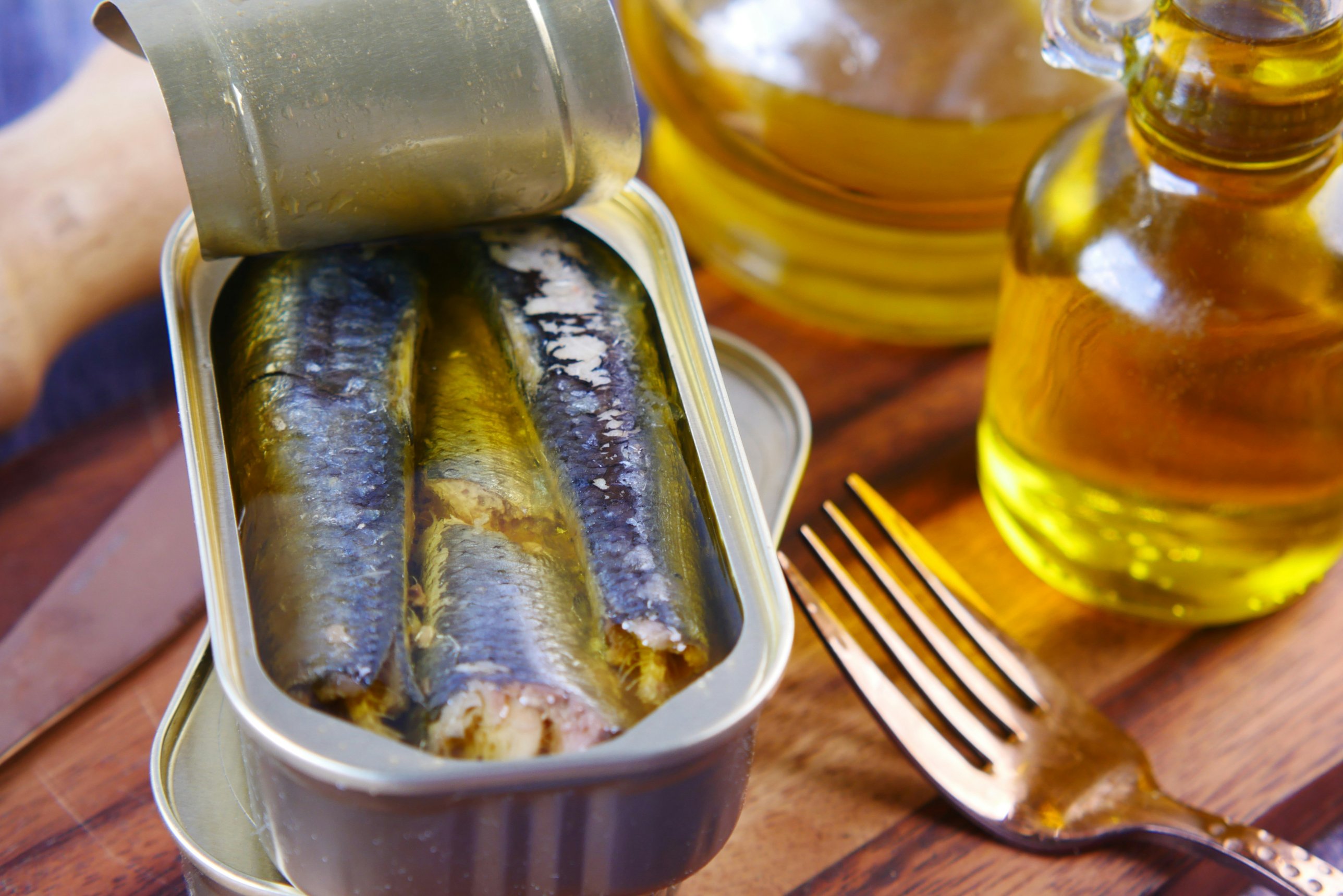
But real life doesn't always allow for a home-cooked meal from scratch. A recent article by clinical nutritionist Sheridan Genrich in The Epoch Times makes a helpful point: there is a big difference between packaged food and ultra-processed food. Her dinner one evening came from a freezer bag and a can: air-fried broccoli with a squeeze of lemon, and fish in olive oil. Quick, satisfying and built on vegetables and protein, it is exactly the kind of meal that can carry us through a busy week.
The question isn't whether a food comes in a package. It's what's inside, how much we eat, and how often.
"Processed" Is Not One Thing
The word "processed" covers everything from a bag of frozen peas to a can of soda, so it is too broad to guide our choices on its own.
The NOVA system, developed by Brazilian researchers, sorts foods by how much they have been changed from their original form and why:
Unprocessed or minimally processed foods: frozen vegetables and fruit, plain yogurt, milk, eggs and unsalted nuts, changed mainly to preserve them or make them safe and convenient.
Culinary ingredients: oils, butter, salt, vinegar and honey, used to prepare and season food.
Processed foods: canned fish, canned beans, cheeses and simple sauces, made by combining whole foods with a few added ingredients like salt, oil or cultures.
Ultra-processed foods: industrial formulations built from refined starches, sugars, industrial seed oils, protein isolates, flavourings, colours and emulsifiers, such as soft drinks, most snack foods, candy and many ready-to-heat meals.
Freezing, canning, pasteurising and fermenting can preserve nutrients, improve safety and reduce waste. They are very different from the engineering that creates ultra-processed products.
What the evidence shows
A large 2024 observational study found that people who ate more ultra-processed food had a higher risk of type 2 diabetes, but the size of that risk depended heavily on which foods were involved. Sugary drinks and processed meats carried the greatest risk, while some other packaged foods did not.
Processing still matters. In a recent randomised trial in England, 55 adults followed two eight-week diets, both designed to meet national healthy eating guidelines. One was mostly minimally processed and the other mostly ultra-processed. Participants lost weight on both, but they lost more on the minimally processed diet. Ultra-processed foods tend to be energy-dense, hyper-palatable and quick to eat, which blunts our natural fullness cues.
The takeaway: we don't need to fear every package, but the less a food has been engineered, the better it tends to serve us.
Packaged Foods Worth Keeping on Hand
The most useful question is not "Is this packaged?" but "Does this help me eat more protein, plants and fibre?" Those three are also the foundation of steady blood sugar and healthy insulin levels.
Frozen vegetables and fruit
Plain frozen broccoli, green beans, cauliflower rice and berries are usually picked ripe and frozen soon after harvest, which helps preserve their nutrients. They are always ready and never go to waste. Choose plain versions, as sauces and seasoning packets can add sodium, sugar and unwanted oils.
Protein
Canned salmon, sardines, mackerel and tuna, frozen fish and prawns, hard-boiled eggs, plain frozen chicken or turkey, and simply seasoned ground beef all shorten the path from fridge to plate. Tofu is a useful plant-based option. A can of salmon with packaged salad greens, lemon, hummus and olives makes a far more nourishing lunch than skipping a meal and overeating later.
Canned beans and lentils
Rinsed canned chickpeas, black beans, kidney beans and lentils are among the most affordable sources of fibre and plant protein, both of which slow the release of sugar into the blood.
Dairy and fermented foods
Plain yogurt and cottage cheese make quick breakfasts or snacks with berries and pumpkin or hemp seeds. Plant milks vary widely; flavoured and sweetened versions can contain several teaspoons of added sugar, so choose unsweetened.
Dips, greens and pantry add-ons
Hummus and guacamole add fibre and healthy fats to vegetables and wraps. Choose versions made with extra-virgin olive oil or avocado oil and ingredients you recognise. Packaged salad greens and chopped vegetable mixes are a gift on busy days. Nuts, chia, pumpkin seeds and olives add texture and nutrition, and olive oil with lemon beats almost any bottled dressing.
Beware the Health Halo
A few wholesome ingredients don't make a product healthy. Whole-grain crackers are still easy to overeat, protein bars can hide surprising amounts of sugar, and a sweetened yogurt or chia pudding can be closer to dessert than breakfast. Quantity and context still matter.
Packaging itself is worth a thought too. Microplastics and packaging chemicals can add up over time, but that is no reason to give up canned fish, beans or frozen vegetables. Choose BPA-free cans where you can, and store food in glass or cloth rather than plastic at home.
How to Read a Label: Three Checks
Think of yourself as a health detective. Ignore the claims on the front of the package and go straight to the back.
Ask what it adds to your meal. Does it bring protein, fibre, vegetables, fruit or healthy fats?
Check the serving size. A small package can hold two servings, so the numbers may apply to only half of it. Then compare fibre, added sugar, sodium and saturated fat. For foods you eat often, look for more fibre and less of the other three.
Read the ingredients in context. A longer list isn't automatically bad. Ask whether you would keep these ingredients in your own kitchen, and watch for added sugars, extra oils, gums and long strings of additives.
For example, an unsweetened plant milk with a short ingredient list is a better daily choice than a sweetened version made with cane sugar and added oil. A plain, high-protein yogurt beats a flavoured one with 11 grams of added sugar per serving, which is closer to a dessert.
Healthy eating doesn't have to mean cooking every meal from scratch. A can, carton, freezer bag or pouch can hold real, nourishing food. Use the label to choose wisely, keep ultra-processed products to a minimum, and let smart convenience help you stay on track when life gets busy.
Source and Credit
This post draws on "The Packaged Foods That Are Actually Healthy" by clinical nutritionist Sheridan Genrich, published in The Epoch Times on October 19, 2026.
This content is for educational purposes only and is not a substitute for professional medical advice. Please consult your doctor or care team before making any changes to your diet, supplements, or treatment plan.
"As to diseases, make a habit of two things: to help, or at least, to do no harm." — Hippocrates