Most routine blood work looks at fasting glucose or HbA1c to judge how your body handles sugar. Those tests are useful, but they tend to flag a problem only after blood sugar has started to rise, which can be years after the body began working harder to keep it in check. During that stretch, the pancreas may be releasing more and more insulin to hold glucose steady. HOMA-IR is a simple calculation that tries to catch that earlier stage by estimating how resistant your cells have become to insulin.
It has become a popular tool in functional and preventive medicine, and it's increasingly discussed in the context of cancer prevention. This article explains what HOMA-IR is, how to work it out, how it's interpreted, and what it can and can't tell you.
What Is HOMA-IR and How Is It Calculated?
HOMA-IR stands for Homeostasis Model Assessment of Insulin Resistance. It was developed by Dr. David Matthews and colleagues and published in the journal Diabetologia in 1985, as a way of estimating insulin resistance and beta-cell function from a single fasting blood sample. All it needs are two numbers from the same blood draw: fasting glucose and fasting insulin.
The standard formula uses glucose in mg/dL and insulin in µIU/mL:
HOMA-IR = (Fasting Glucose × Fasting Insulin) ÷ 405
For example, a fasting glucose of 90 mg/dL and a fasting insulin of 5 µIU/mL gives (90 × 5) ÷ 405, or about 1.1. A fasting glucose of 100 mg/dL and a fasting insulin of 12 µIU/mL gives (100 × 12) ÷ 405, or about 3.0.
A note on units: if your lab reports glucose in mmol/L, you can either convert it to mg/dL by multiplying by 18.018 before using the formula above, or use the mmol/L version of the formula, which divides by 22.5 instead of 405.
The Functional Thresholds
Standard labs rarely flag insulin resistance until fasting insulin climbs well past typical reference ranges. Functional medicine sets much tighter targets:
- Optimal: below 1.0, indicating high insulin sensitivity
- Early insulin resistance: 1.9 to 2.9
- Significant insulin resistance: 3.0 and above
These cutoffs are functional medicine benchmarks, not universal standards. There is no single agreed threshold for HOMA-IR. Research studies often use values somewhere around 2.0 to 2.5 as the line for insulin resistance, and the right cutoff varies by population, age, and body weight. Insulin tests are also not standardized across labs, so the same sample can give different numbers in different places. Treat HOMA-IR as a trend to follow with your doctor, not a pass or fail grade.
Why HOMA-IR Matters for Metabolic Health
Insulin resistance usually develops gradually. As cells respond less well to insulin, the pancreas compensates by releasing more of it, so blood glucose can stay normal while insulin runs high. A calculation that uses both numbers can, in some people, reveal this earlier than glucose alone. That early window is valuable, because lifestyle changes such as physical activity, weight loss when appropriate, better sleep, and a more whole-food diet are most effective before diabetes sets in. A high HOMA-IR often travels with other signs of metabolic strain, including a larger waist, higher triglycerides, low HDL cholesterol, and fatty liver.
Why Insulin Matters in Cancer Prevention
From the functional perspective, insulin is not just a storage hormone that shuttles glucose into cells. It is also a growth promoter. In this view, chronic hyperinsulinemia, reflected by a high HOMA-IR, means that circulating insulin and insulin-like growth factor 1 (IGF-1) are signaling cells to divide, activating pathways such as PI3K/AKT that stimulate growth and inhibit apoptosis, or programmed cell death. Proponents of the metabolic theory of cancer add that many tumor cells rely heavily on glucose, a phenomenon known as the Warburg effect, so a body with high insulin and chronically elevated glucose supplies both growth signals and fuel.
The biology here is real, and observational research does link high insulin levels, obesity, and type 2 diabetes with a higher risk of several cancers, including colorectal, endometrial, pancreatic, liver, and postmenopausal breast cancer. Reviews and consensus reports on diabetes and cancer discuss insulin as one possible mechanism, alongside obesity, inflammation, and other shared risk factors. But there are important limits. These studies show association, not proof that insulin causes cancer, and it is hard to separate insulin from obesity and other factors that travel with it. HOMA-IR has not been validated as a cancer screening or risk-prediction test, and no trial has shown that lowering it prevents cancer. The Warburg effect is real, but “primarily glucose fermentation” overstates how most tumors behave, and the metabolic theory of cancer remains a minority view. So HOMA-IR is best seen as a measure of metabolic health, one that may be relevant to cancer risk, and not as a link that has been proven.
The Limits of HOMA-IR
- It depends on a good fasting sample. Eating, poor sleep, illness, intense recent exercise, and stress can all shift glucose and insulin and change the result.
- It varies from day to day. A single reading is a snapshot, so repeat testing gives a more reliable picture.
- It isn't suitable for everyone. Medications such as insulin and some diabetes drugs, including GLP-1 medications like semaglutide, change the numbers, and it works poorly in people with advanced diabetes.
- It isn't routinely used in standard care, partly because insulin assays aren't standardized and there are no universal treatment thresholds.
- It's one marker among many. It should be read alongside HbA1c, fasting glucose, triglycerides, HDL cholesterol, blood pressure, waist circumference, and liver tests.
How to Get a Meaningful Reading
- Ask your doctor whether testing is appropriate for you, particularly if you have risk factors such as excess weight around the waist, a family history of diabetes, high blood pressure, fatty liver, or polycystic ovary syndrome.
- Fast for 8 to 12 hours beforehand, drinking only water, and try to be well rested and free of acute illness.
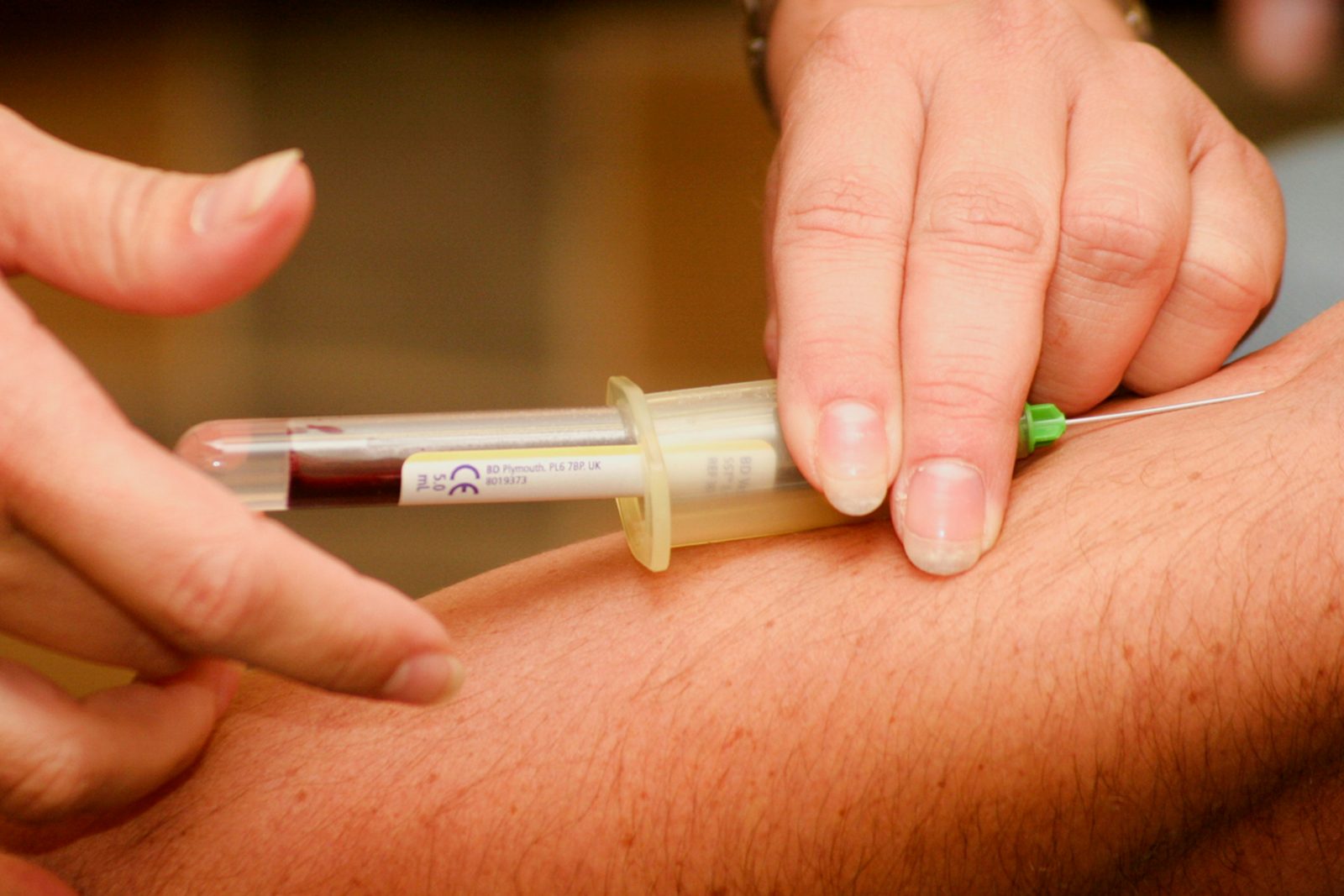
- Ask for fasting glucose and fasting insulin from the same blood draw, and use the same lab if you plan to track changes over time.
- Review the results with your doctor in the context of your overall health, not as a stand-alone number.
What Actually Improves Insulin Sensitivity
The good news is that the habits that improve insulin sensitivity are well supported, and they benefit your health well beyond one number:
- Move regularly. Both aerobic exercise and strength training improve insulin sensitivity, and a short walk after meals helps blunt glucose spikes.
- Lose excess weight if you carry it. Even a modest loss of 5 to 10% of body weight can meaningfully improve insulin sensitivity.
- Build meals around fiber-rich whole foods such as vegetables, legumes, whole grains, fruit, nuts, and quality protein, and limit sugary drinks, refined carbohydrates, and ultra-processed foods.
- Protect your sleep. Short or poor sleep, including untreated sleep apnea, worsens insulin resistance.
- Manage stress, and limit alcohol.
- If your doctor recommends medication, take it as prescribed. Lifestyle and medication work together.
The Takeaway
HOMA-IR is a simple, inexpensive way to look beneath the surface of routine blood work and understand how hard your body may be working to keep blood sugar in check. It is a useful marker of metabolic health and a good motivator for the habits that protect it. It is not a cancer test, and its cutoffs are still debated. Use it as a conversation starter with your doctor, and focus on the changes that improve your metabolic health regardless of the number.
This content is for educational purposes only and is not a substitute for professional medical advice. Please consult your doctor or care team before making any changes to your diet, supplements, or treatment plan.
“I know that I know nothing.”— Socrates